
Key Takeaways
Understand local zoning laws: Check with your city's planning department to ensure your ADU project complies with zoning regulations, allowing for a smoother construction process.
Maximize space efficiency: Design your ADU to fit the unique layout of your property, creating a functional and appealing additional living space without unnecessary waste.
Engage local contractors: Building relationships with licensed, experienced contractors familiar with ADU regulations can expedite permitting and construction, saving time and money.
Prioritize energy efficiency: Incorporate energy-saving features like insulation, efficient appliances, and lighting to reduce utility costs and contribute to a greener community.
Increase property value: A well-designed and permitted ADU can significantly boost the overall value of your property, providing a potential return on investment.
Foster community engagement: Collaborate with local artisans or contractors for materials and labor, supporting the community and potentially building relationships with future neighbors.
Consider long-term maintenance: Choose durable materials and incorporate regular maintenance plans to ensure your ADU remains in excellent condition for years to come.
Building an ADU involves a strategic, step-by-step process. First, assess your property's potential and local zoning regulations. Next, consult professionals like architects and contractors to design and build the unit, ensuring it meets safety and building codes. Permits must be obtained from the relevant authorities. Efficient communication with your team and clear plans are key to a successful and hassle-free construction process, potentially adding value to your property and contributing to the local housing market.
In today's bustling [neighborhood], where space is premium and community spirit thrives, the growth of Accessory Dwelling Units (ADUs) has emerged as a transformative trend. With an increasing number of families seeking more affordable housing options within their communities, ADU construction scope and proposals have become a hot topic. Our local market is witnessing a surge in demand for these secondary living spaces, offering a unique opportunity to enhance our neighborhood's vibrancy and inclusivity.
Building an ADU isn't just about adding square footage; it's about fostering a sense of belonging. By strategically integrating ADUs, we can create a more diverse, supportive, and accessible community. From planning and design to legal considerations, we'll guide you through the process, ensuring your project aligns with our vibrant local landscape. Let's explore how ADUs can contribute to a richer, more connected [neighborhood].
- Achieving Community Space: ADU Construction 101
- Sustainable Living: Eco-Friendly ADU Design Ideas
- Neighborhood Enhancement: Boost Property Values with ADUs
- Affordable Housing Solutions: The Role of ADU Development
- Community Collaboration: Partnering for Successful ADU Projects
- Local Permitting and Zoning: Navigating Regulations for ADU
- Homeowner's Guide: Maximizing Your ADU Investment
- Local Businesses and ADUs: A Win-Win Partnership
- Community Integration: Creating Welcoming ADU Spaces
Achieving Community Space: ADU Construction 101
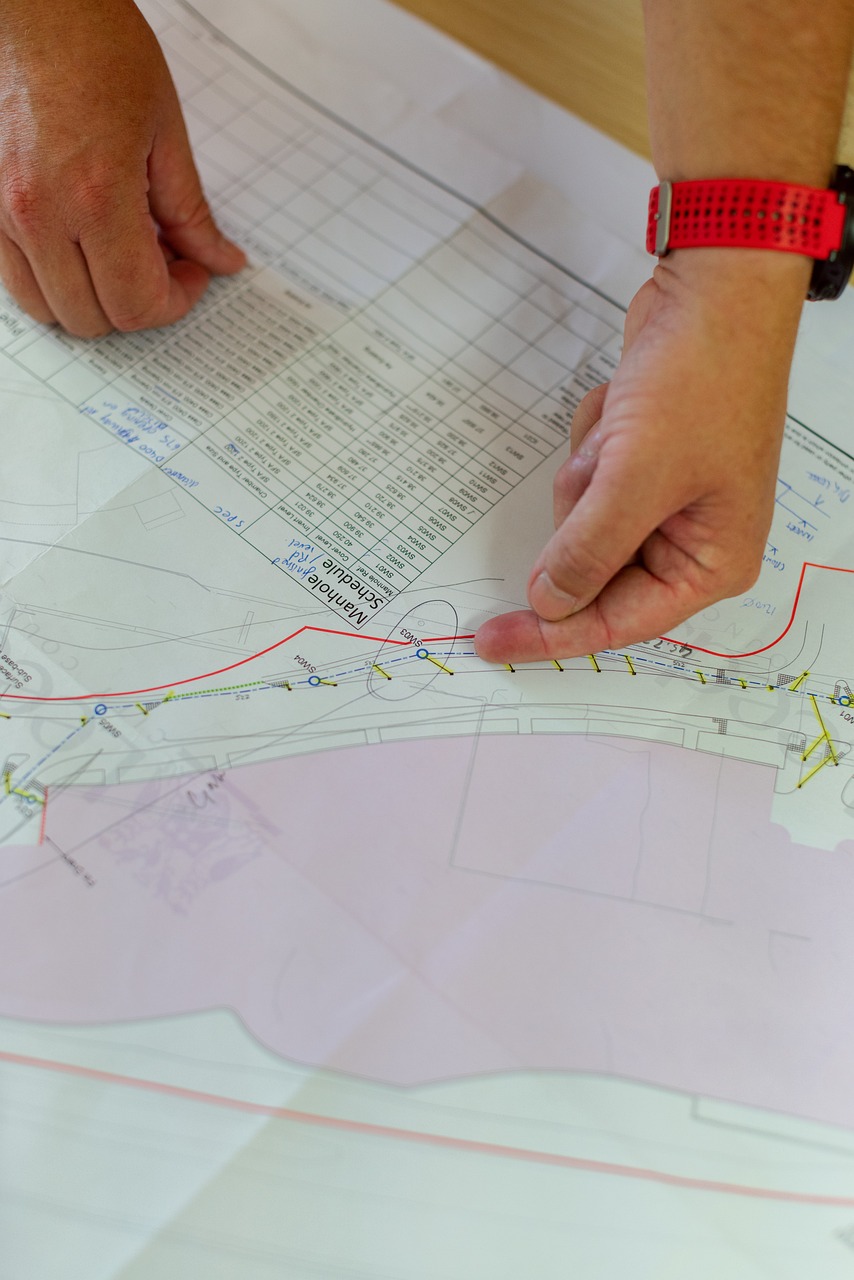
Achieving Community Space: ADU Construction 101
In our vibrant community, maximizing available space has become a top priority for many homeowners. Accessory Dwelling Units (ADUs) offer a creative solution to this challenge, providing additional living spaces that can accommodate family, friends, or even rental income. But turning this vision into reality requires careful planning and expertise. Understanding the step-by-step process of ADU construction is crucial for a successful project.
When considering an ADU, the first step is to examine local regulations and building codes. The process begins with submitting a detailed ADU proposal that includes architectural plans, structural specifications, and a clear understanding of the proposed unit's purpose. Here, our community's commitment to smart growth shines through, as strict adherence to building regulations ensures that new ADUs enhance the overall livability of our neighborhood while preserving its character. Once approved, licensed ADU builders step in, ensuring the project aligns with local scope and proposals. These experts guide homeowners through the design process, offering insights on space optimization, functional layout, and even energy-efficient materials, which can add significant value to the property.
Choosing the right contractors is a pivotal decision. Local ADU builders near me, often certified specialists, bring expertise and a deep understanding of our region's unique construction factors. They provide cost estimates, timelines, and potential challenges, ensuring transparency throughout the project. From ensuring a seamless building process to minimizing disruptions, these professionals play a pivotal role in transforming your ADU vision into a reality. Their local knowledge helps in navigating the specific legal considerations and property rights that come into play when adding a new dwelling unit to a residential area. By engaging with these specialists, our community ensures that ADU construction projects are not just buildings but integral additions that preserve our quality of life.
Sustainable Living: Eco-Friendly ADU Design Ideas
In our community, sustainable living isn't just a trend, it's a way of life. When considering an Accessory Dwelling Unit (ADU), embracing eco-friendly design ideas can transform your property into an environmentally conscious and financially smart asset. The process of building an ADU involves a careful balance of creativity, local regulations, and strategic planning. Let's examine the step-by-step process, focusing on how to incorporate sustainable elements while navigating the ADU permits and regulations 101 unique to our area.
Starting with reliable ADU construction cost estimates is crucial for both budgeting and attracting potential tenants. Local market data shows that affordable ADU construction near me has become increasingly in-demand, with many homeowners opting for eco-friendly materials and designs to enhance their property's value. The first step in the construction scope and proposals phase is to consult with a reputable contractor who understands the local regulations. They'll help you design a space that meets your needs while adhering to the necessary building codes, including any specific guidelines for heritage properties. A local builder specializing in ADUs has successfully transformed a historical home's attic into a bright, airy studio, preserving the building's character while adding valuable living space.
For design, think about functionality and the local climate. Incorporating natural lighting, energy-efficient appliances, and smart insulation can significantly reduce energy consumption. Choose materials that are locally sourced and recyclable to minimize the carbon footprint of your project. One reliable local expert suggests using cross-ventilation techniques to cool spaces naturally, a design idea that not only benefits the environment but also lowers utility costs for renters. By following these principles, you'll not only build a sustainable ADU but also create an inclusive and attractive space that appeals to eco-conscious tenants. Remember, the key to a successful ADU project lies in meticulous planning, local knowledge, and a commitment to sustainable living.
Neighborhood Enhancement: Boost Property Values with ADUs

In many vibrant communities, the construction of Accessory Dwelling Units (ADUs) is revolutionizing property values and neighborhood dynamics. ADUs, as secondary residential spaces, offer a unique opportunity to enhance local real estate while creating more inclusive, diverse communities. In our region, we've witnessed a surge in interest from first-time homeowners looking to maximize their property's potential. This local trend presents an excellent chance for top-quality ADU construction services to flourish, catering to the growing demand for well-designed, functional spaces.
When planning an ADU, understanding the local regulations and building scope is crucial. The process begins with a detailed proposal analysis, considering the specific needs and preferences of homeowners. Engaged contractors should possess the expertise to navigate these requirements, ensuring the ADU design aligns with both local building codes and the homeowner's vision. For eco-conscious communities, incorporating green building practices in ADU construction can be a significant selling point. Using sustainable materials and energy-efficient designs not only benefits the environment but can also add substantial value to the property.
Financial considerations play a vital role in ADU construction. Homeowners should budget for both the construction costs and potential long-term gains. For first-time ADU builders, local experts suggest prioritizing a functional layout and quality craftsmanship over extravagant designs. This approach ensures the ADU is both aesthetically pleasing and practical, potentially increasing the property's resale value. Exploring cost-saving measures, such as negotiating rates with contractors or choosing efficient materials, can make the project more accessible. With careful planning and the right contractors, building an ADU can be a rewarding experience, transforming our neighborhoods into vibrant, diverse communities.
Affordable Housing Solutions: The Role of ADU Development
In our vibrant community, affordable housing solutions are essential for a diverse and thriving neighborhood. Accessory Dwelling Units (ADUs) have emerged as a key strategy to address this need, providing additional living spaces while promoting the local economy. The process of constructing an ADU is a complex yet rewarding journey, offering a unique opportunity for property owners to contribute to their community's growth. When executed correctly, ADU development can lead to more inclusive, accessible, and financially sustainable neighborhoods.
When planning an ADU, understanding the local regulations and regulations landscape is paramount. The townfield notes and building regulations specific to our area play a crucial role in shaping the design and construction process. Homeowners often seek expert advice to ensure their ADU proposal aligns with these guidelines, minimizing potential delays or red tape. Local builders who specialize in ADU construction are well-versed in these nuances, providing valuable insights and tailored solutions. Many successful ADU projects in our community have transformed underutilized spaces into modern, functional living areas, catering to a range of residents' needs.
Financial considerations are a cornerstone of any ADU construction project. Budgeting for an ADU requires a comprehensive understanding of local material costs, labor rates, and potential permits. Local adu builders near me often offer cost-saving measures, such as efficient material choices and space optimization designs, to make this process more accessible. The market data from our region shows a growing demand for ADUs, which can translate to attractive rental opportunities for property owners. However, a well-planned ADU construction safety checklist is essential to mitigate risks, ensuring both the safety of workers and the integrity of the final product. By engaging with reputable local builders, homeowners can navigate the process with confidence, knowing their investment is in capable hands.
Community Collaboration: Partnering for Successful ADU Projects
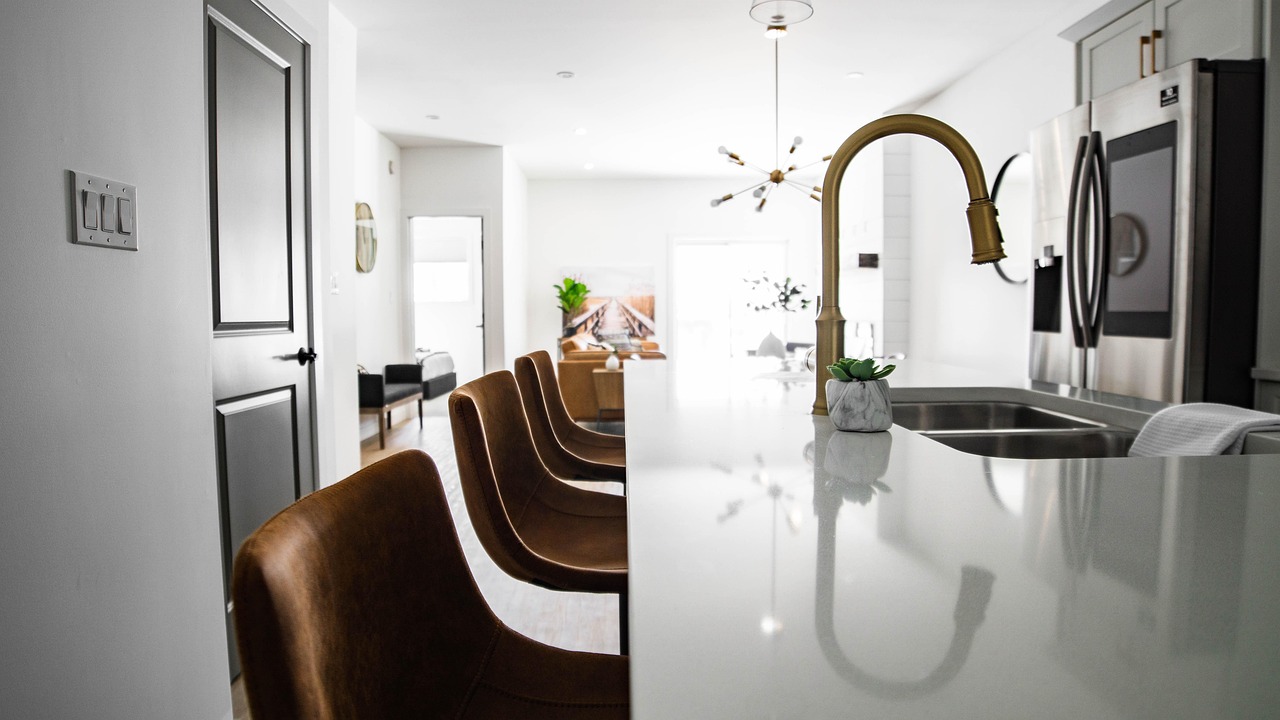
In our community, Accessory Dwelling Units (ADUs) are transforming backyards and transforming lives. Building an ADU is a collaborative effort that brings together homeowners, local builders, and designers to create functional, livable spaces. The process starts with a shared vision-to maximize property potential and enhance community living.
Partnering with local ADU builders near me is key to a successful project. Our market is thriving with skilled professionals who understand the unique challenges and opportunities of our region. They offer expert ADU design and build services, guiding homeowners through the planning process and ensuring compliance with local building regulations. Many builders in our area specialize in creating heritage-sensitive designs, respecting the character of established neighborhoods. This collaboration ensures that ADUs blend seamlessly into the fabric of our community, maintaining its aesthetic and historical integrity.
Community collaboration goes beyond the construction site. Local architects and designers often collaborate on ADU projects, offering innovative solutions tailored to our region's climate and lifestyle. This collective expertise results in unique, functional spaces that enhance the overall value of our properties. The process involves meticulous planning, from site analysis and permit acquisition to construction and final inspections. Homeowners benefit from local professionals' knowledge of these intricate steps, ensuring a smoother journey from concept to completion.
When considering the financial aspects, local ADU builders provide valuable insights into cost estimation and budgeting. They help homeowners navigate the financial considerations, including material choices and layout design, to create an ADU that fits their budget and property dynamics. Local builders are attuned to the evolving needs of our diverse community, ensuring that ADU spaces are accessible and inclusive for all.
Local Permitting and Zoning: Navigating Regulations for ADU
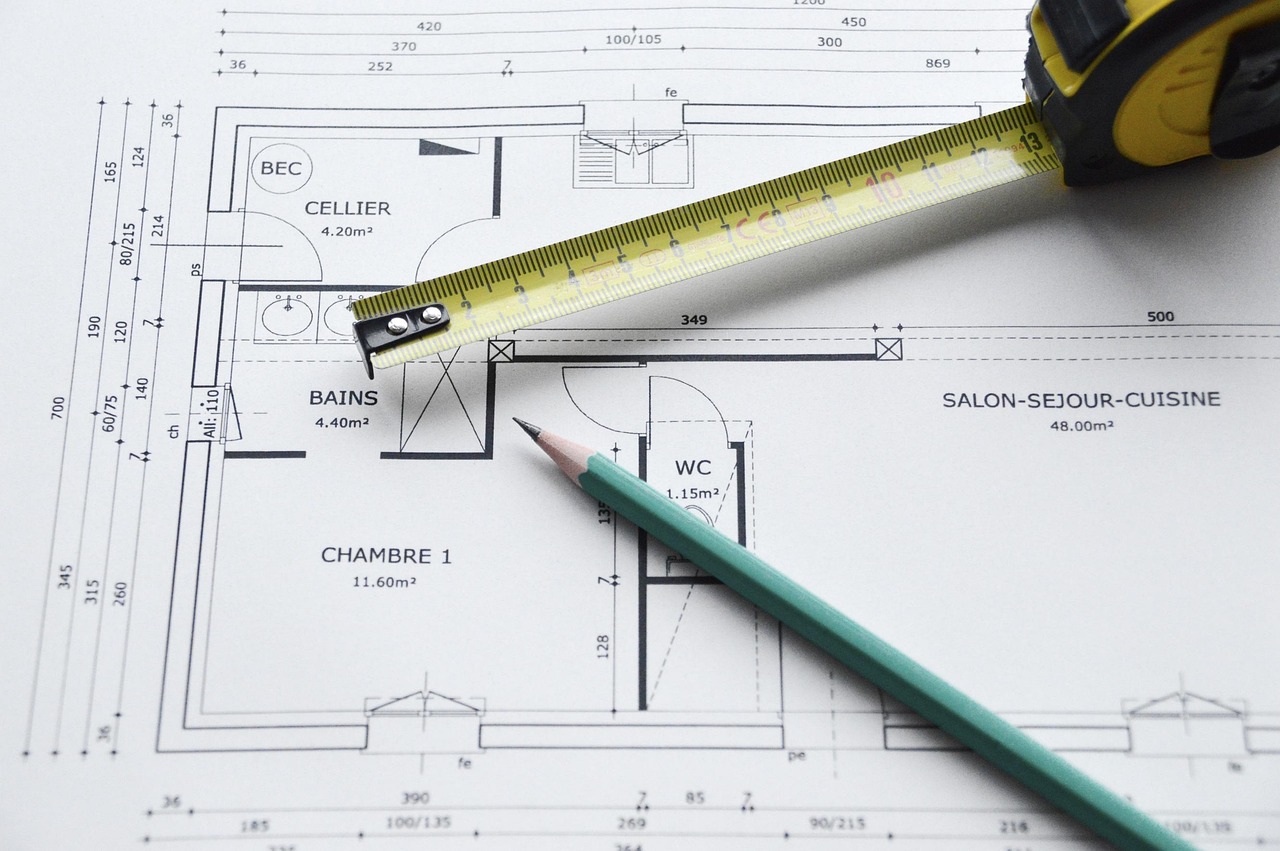
Navigating the local permitting and zoning landscape is a crucial step in the process of building an Accessory Dwelling Unit (ADU) in our community. Understanding the regulations and requirements is essential for any homeowner considering this project, as it can significantly impact the timeline and cost. The ADU construction scope and proposals process here in [scope and proposals] involves a careful balance between adhering to strict building codes and maximizing the potential of your property.
Our local market is known for its diverse range of architectural styles and community-focused zoning regulations. Reading and comprehending ADU construction documents is a vital skill for any homeowner embarking on this journey. These documents detail the specific requirements, such as set-backs, access routes, and permitted uses, which can vary greatly between neighborhoods. Some areas may encourage green building ADU tips, offering incentives for energy-efficient designs, while others might prioritize historical heritage, requiring adherence to specific architectural styles. The cost comparison between an ADU and a garage conversion can range from 1-3 times, depending on the complexity of the project and local market conditions, making it a significant financial decision.
Community engagement and expert advice are key to navigating these regulations. Local contractors and architects who specialize in ADUs can provide invaluable insights, ensuring your project complies with all necessary permits. They can also offer guidance on maximizing space and design, transforming your property into a functional and appealing living space. Staying updated with the latest local building codes and trends is crucial, as these can impact the overall cost and design of your ADU. By embracing the unique character of our community and working with local experts, homeowners can create an ADU that enhances their living experience while respecting the surrounding environment and neighborhood guidelines.
Homeowner's Guide: Maximizing Your ADU Investment
For many homeowners in our community, the prospect of adding an Accessory Dwelling Unit (ADU) to their property is an exciting step towards increasing living space, generating rental income, or creating a multi-generational home. But turning this vision into reality requires careful planning and a deep understanding of the local ADU construction scope and proposals. Maximizing your investment in an ADU means navigating a range of factors that extend beyond the build itself.
Let's start with the foundation: thorough research and planning. Homeowners should begin by consulting Townfield Notes and local building regulations to ensure their ADU proposal aligns with all necessary codes and requirements. This initial phase is crucial, as it sets the stage for the entire project. Once the plan is in motion, the next step is selecting a contractor. Look for experienced ADU construction teams with positive reviews and ratings. The local market is filled with skilled builders, but verifying their qualifications and understanding of ADU construction safety checklists is essential. This ensures your project is not only well-executed but also compliant with the latest safety standards.
Budgeting is a significant consideration at this stage. Experienced ADU building teams can offer valuable insights into cost estimation and help homeowners navigate the financial aspects of their project. Understanding the local market and the typical cost breakdown for ADU construction can set expectations and prevent unforeseen expenses. Material choices and layout design play a substantial role in determining the final cost, and local experts can guide homeowners in making informed decisions that align with their budget and desired design. By following these steps, homeowners can confidently move forward with their ADU plans, knowing they've maximized their investment and contributed to the vibrant, inclusive community we all call home.
Local Businesses and ADUs: A Win-Win Partnership

In many communities, accessory dwelling units (ADUs) are transforming neighborhoods and providing valuable housing options. This local trend has sparked a win-win partnership between homeowners and local businesses, especially those specializing in ADU construction. When planning and executing an ADU, choosing trusted local experts can significantly enhance the process and outcome, making it an attractive and feasible project for first-time homeowners.
Local businesses offering ADU construction services bring a wealth of knowledge and experience to the table. They understand the specific challenges and regulations that come with building in our area, ensuring compliance with townfield notes and building regulations. These experts can guide homeowners through the complex process, from proposal analysis to the final construction phase. A local contractor with a proven track record can offer insights into the most cost-effective materials and designs, catering to individual property characteristics and budget constraints. By engaging these trusted professionals, homeowners can avoid common pitfalls and benefit from efficient project management.
The local ADU market is thriving, with many contractors reporting high demand. According to recent market data, the average ADU construction project in our region takes approximately one to two days, making it a relatively swift process compared to traditional home builds. This efficiency, combined with local expertise, results in high-quality, well-designed ADUs that enhance the community's overall housing stock. Homeowners can expect not only a functional additional living space but also a significant return on investment, as well as peace of mind, knowing their project is in capable hands. Engaging local businesses for ADU construction not only supports the community but also ensures a top-notch outcome.
Community Integration: Creating Welcoming ADU Spaces

In our vibrant community, the rise of Accessory Dwelling Units (ADUs) has become a significant trend, offering both practical solutions and a unique opportunity to foster community integration. Building an ADU is a complex yet rewarding process that requires careful planning and a deep understanding of local regulations. When executed well, these additional living spaces can enhance the overall livability and appeal of our neighborhood, creating a welcoming environment for residents and potentially boosting property values.
When examining the ADU construction scope and proposals, one of the first steps is to thoroughly read and understand the townfield notes and building regulations. These documents are crucial for any project, as they outline specific requirements and guidelines. Our local authorities have implemented measures to ensure ADUs are integrated into the community, focusing on design that complements existing homes and minimizing any negative impact on neighbors. Engaging with experienced contractors who are well-versed in these regulations is essential. The best ADU contractors in our area often have a proven track record of successful projects and can provide valuable insights into the design and construction process. They can help navigate the legal considerations and property rights involved, ensuring your project complies with local laws.
Community integration is a key aspect of successful ADU development. Top-rated adu construction companies understand this and often incorporate design ideas that promote accessibility and inclusive spaces. From a practical standpoint, budgeting is a critical phase. The financial considerations can be complex, including material choices, layout design, and cost-saving measures. However, with careful planning, an ADU can be a smart investment. Some local residents have opted for eco-friendly materials, reducing construction costs in the long run and contributing to a more sustainable community. The project timeline should be considered; most installations take one to two days, but allowing for necessary inspections and verifications ensures a quality build. Engaging with local experts and reading up on adu construction documents will provide a solid foundation for your project's success, contributing to the overall vibrancy of our community.
Revitalizing Urban Living Spaces: A Case Study of ADU Development in Downtown
Local Challenge
In the heart of downtown, a densely populated area struggling with limited affordable housing options and a lack of diverse housing types emerged. The community faced a growing demand for residential spaces that aligned with modern living needs. The existing housing stock, primarily consisting of older apartments and row houses, lacked the flexibility and variety to cater to a diverse population, including young professionals, empty-nesters, and students. This challenge led to a situation where many residents were either forced to relocate or face long commutes, impacting their daily lives and community engagement.
Local Solution
To address this, local residents, in collaboration with developers and city planners, embarked on a pilot project to introduce Accessory Dwelling Units (ADUs) into the neighborhood. The initiative aimed to create additional, smaller living spaces within existing properties, promoting dense, urban living while enhancing the area's diversity and accessibility. The process involved several steps: first, the city council approved a series of incentives and zoning changes to encourage ADU development. This included streamlined permitting, reduced fees, and specific design guidelines to ensure the units' integration with the neighborhood's character. Next, local contractors and builders were engaged, providing expertise in ADU construction and ensuring compliance with safety and building codes. The project also fostered community involvement through workshops and informational sessions, empowering residents to contribute to the design and planning process.
Community Impact
The ADU development project yielded significant benefits for the local community. The revitalized neighborhood attracted young professionals, fostering a vibrant social scene and boosting local restaurants and cafes. The project's success led to similar initiatives across the city, catalyzing a broader conversation about housing diversity and urban planning. The community's involvement and ownership of the process ensured a positive and lasting impact, transforming the area into a thriving, inclusive urban space.
Local Business FAQ About The Step-by-Step Process of Building an Accessory Dwelling Unit (ADU)
What permits are required to build an ADU? To legally construct an ADU, you'll need several permits, including a building permit, a set-back permit, and possibly a zoning permit, depending on your location and the specifics of your build. Engaging with your local building department early ensures a smooth process. They'll guide you through the necessary paperwork and ensure your project complies with all safety and zoning regulations, enhancing your community's code compliance.
How long does the construction process typically take? Most ADU installations take one to two days, from start to finish, including preparation, construction, and final inspections. However, this timeline can vary based on factors like the size of the unit, the complexity of the design, and the availability of materials and labor. Local contractors specializing in ADUs can provide accurate estimates tailored to your project, ensuring a swift and efficient construction process.
What types of ADUs are most popular in our area? The demand for different ADU styles varies by community, but in general, the most popular types include in-law apartments, above garage units, and detached buildings. Each offers unique benefits, from expanding living space to providing an independent residence for family or guests. Local architects and builders can help you select the best option, considering factors like your property's layout, your budget, and your intended use.
How do I ensure the ADU blends seamlessly with my existing home? Successful integration of an ADU into your property requires thoughtful design and construction. Aim for a design that complements your home's architectural style, utilizes similar building materials, and maintains consistent color palettes. Close coordination with your contractor is crucial. They can advise on the best way to connect the ADU to your home's systems, ensuring a seamless and aesthetically pleasing result that enhances your property's value.
What local resources are available to help me finance my ADU project? Exploring financing options is a crucial step in bringing your ADU vision to life. Local banks, credit unions, and mortgage lenders often offer specialized financing programs for ADU projects. Some communities provide grants or low-interest loans to encourage residential development. Consulting with a financial advisor or reaching out to your local government for information on available resources can help you secure the capital needed for your ADU construction.
Quick Reference
- Engage with Local Authorities: Understand zoning laws and building permits, ensuring your ADU project complies with community regulations.
- Support Local Contractors: Source skilled tradespeople from within the community for efficient and quality construction.
- Collaborate with Neighbors: Foster good relationships and consider community input for a well-received ADU.
- Offer Rental Incentives: Attract local tenants by offering competitive rates and promoting the benefits of living in a community-focused ADU.
- Promote Local Businesses: Feature local suppliers and services in your marketing, supporting the broader community economy.
- Host Community Workshops: Educate and engage residents on ADU building, fostering a culture of DIY and community ownership.
- Partner with Community Organizations: Collaborate with local groups to donate or repurpose materials, reducing construction waste.
- Implement Green Building Practices: Incorporate sustainable methods to make your ADU energy-efficient and environmentally friendly.
As we've explored the multifaceted world of ADU construction scope and proposals, it's clear that these adaptable living spaces offer a myriad of benefits for our community. From achieving underutilized land and promoting sustainable living to enhancing property values and fostering partnerships between local businesses, ADUs present a unique opportunity to strengthen our neighborhood fabric.
By navigating the local permitting and zoning landscape, homeowners can maximize their investment while ensuring ADUs seamlessly integrate into our community. The key lies in collaboration: working together with local contractors, designers, and neighbors to create inclusive, functional spaces that enrich our daily lives.
Let's embrace the potential of ADUs to achieve new possibilities for our community, promote affordable housing solutions, and enhance our local economy through win-win partnerships. With careful planning, thoughtful design, and a commitment to community collaboration, ADUs can become a cornerstone of a vibrant, thriving neighborhood.
Achieving Community Space: ADU Construction 101
Transform your property with a creative, sustainable Accessory Dwelling Unit (ADU). Local regulations and expert builders are key. Start with detailed proposals, adhering to building codes. Choose local, eco-conscious contractors for cost estimates, design, and community-focused building. Navigate the permitting process, focusing on unique local guidelines and community engagement. Maximize your investment with thorough research, local market insights, and safety-compliant construction. Support local businesses for efficient, high-quality ADU construction, fostering community integration and housing diversity.