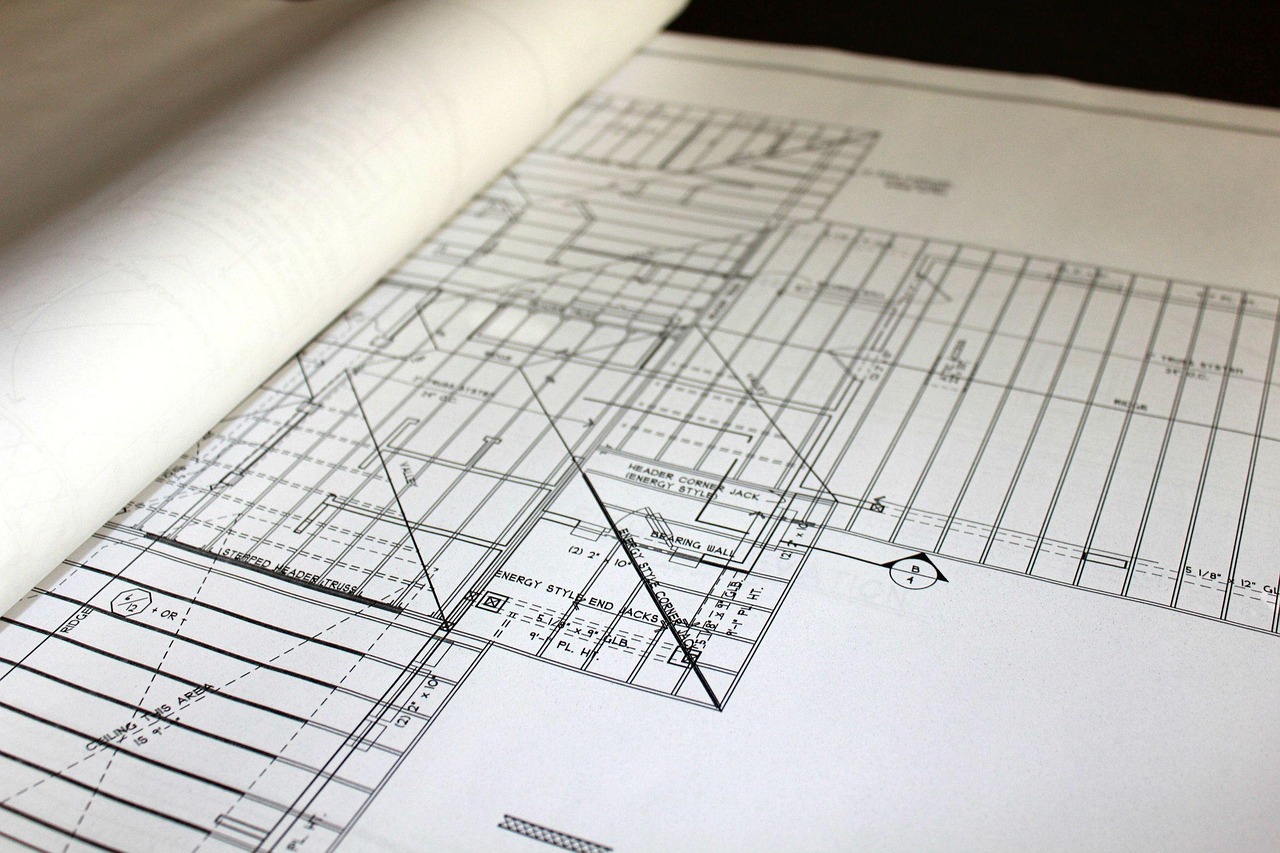
For beginners navigating ADU permits, understanding local regulations is key. Every community has unique codes and requirements, from set-back rules to energy efficiency standards. Engaging with local building departments early ensures a smoother process. Many cities offer online resources and assistance, streamlining permit acquisition and guiding developers through site-specific best practices, ultimately fostering more efficient and code-compliant ADU projects.
Key Takeaways
Understand local zoning laws: Check with your city planning department to identify restrictions and permitted areas for ADU construction.
Maximize space: Design your ADU to fit the lot efficiently, ensuring it provides added value without overextending local infrastructure.
Prioritize energy efficiency: Local incentives may be available for ADUs with advanced insulation and sustainable building practices, reducing long-term operational costs.
Engage with your community: Some neighborhoods have specific guidelines or community associations with input on ADU design and placement for harmonious integration.
Hire licensed professionals: Protect yourself and ensure compliance by working with local contractors familiar with ADU regulations and building codes.
Consider nearby utilities: Plan for easy access to water, electricity, and sanitation to avoid unnecessary infrastructure challenges during construction.
Research local permit fees: These can vary significantly based on location, size, and type of ADU, so budget accordingly.
In the bustling heart of our community, the demand for affordable housing continues to grow, making ADU (Accessory Dwelling Unit) construction a popular choice for both homeowners and local businesses. As a leading expert in ADU construction scope and proposals, we understand the unique challenges and benefits that come with these projects.
Our city's vibrant culture and diverse neighborhoods create a diverse range of opportunities for ADU design and placement. By focusing on local regulations, energy-efficient practices, and community-focused layout, we help property owners transform underutilized spaces into rentable, livable units.
We offer tailored strategies, from navigating the intricate process of ADU permits and inspections to selecting contractors with a proven track record of excellence. Let's work together to achieve the full potential of your property, enhance our community, and create sustainable, inclusive spaces for all.
- Achieving Your Community's ADU Potential: A Step-by-Step Guide
- Navigating ADU Permits: Local Regulations and Scope
- Community-Approved ADU Construction: Best Practices
- Maximizing Your Investment: ADU Scope and Cost Breakdown
- Local ADU Regulations: Ensuring Compliance for Property Owners
- Building Community: Benefits of ADU Integration
- ADU Permits 101: A Beginner's Journey to Local Approval
- From Concept to Completion: ADU Proposal Process
- Empowering Neighbors: Local ADU Success Stories
Achieving Your Community's ADU Potential: A Step-by-Step Guide
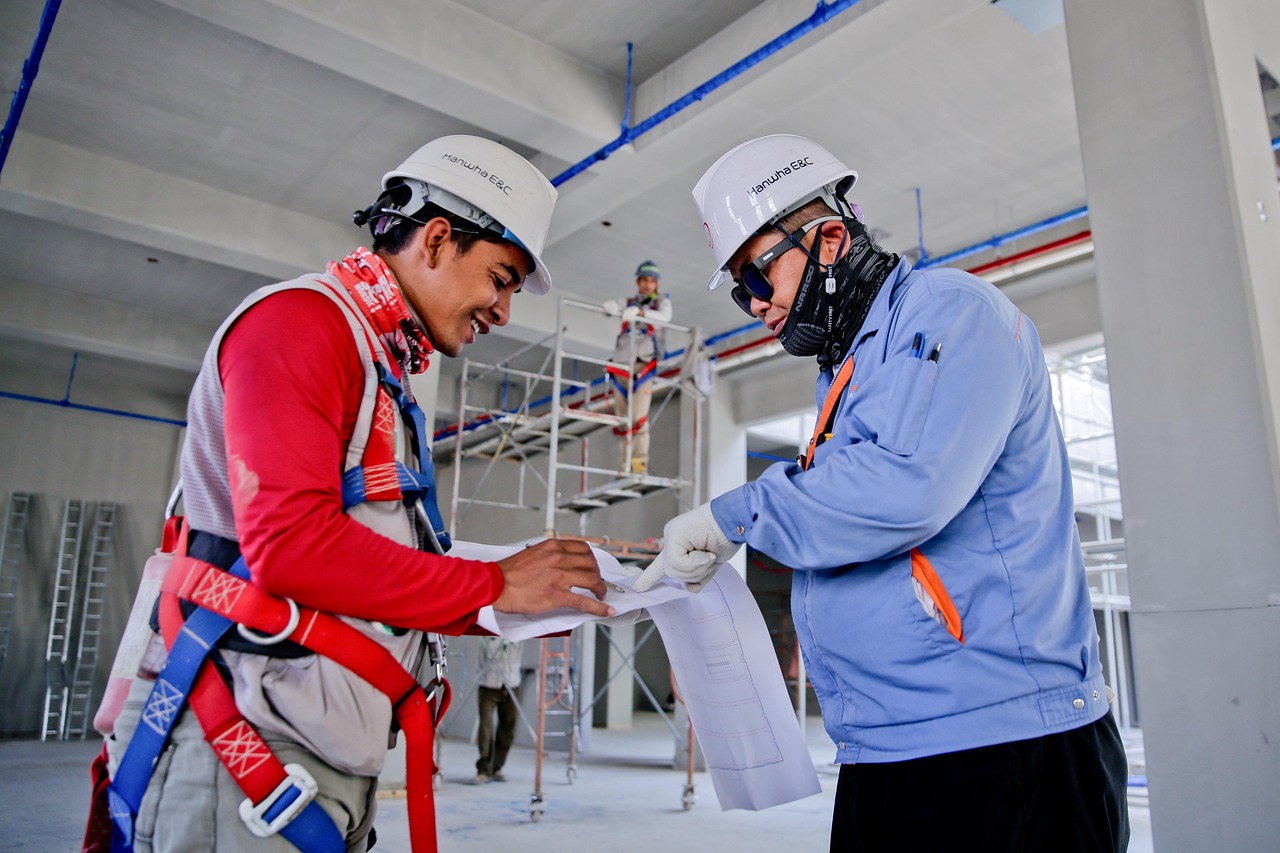
Achieving Your Community's ADU Potential: A Step-by-Step Guide
In many communities, Accessory Dwelling Units (ADUs) are transforming neighborhoods by creating more affordable housing options and enhancing community density. However, navigating the world of ADU permits and regulations can seem daunting for homeowners considering this project. Let's demystify the process and explore how to achieve your community's ADU potential with a step-by-step guide tailored to local needs and regulations.
The first step in any ADU project is thorough planning and understanding. Start by familiarizing yourself with local building regulations and townfield notes, which provide valuable insights into zoning laws and permitted uses. Once you have a solid grasp of the rules, it's time to draft a detailed ADU proposal. This document outlines your design plans, construction scope, and budget, serving as a roadmap for the entire process. Many successful ADU projects in our community have begun with clear proposals that align with the local aesthetic and address specific community design considerations.
Choosing the right contractor is a critical decision. Look for qualified professionals with experience in ADU construction, who can guide you through the permitting process and ensure compliance. Local contractors who specialize in ADUs often have deep knowledge of the area's unique construction factors and can offer valuable insights into budgeting and timeline expectations. Once contracted, the builder verification process becomes essential, especially for heritage properties or historically significant neighborhoods. Reputable contractors should have positive reviews and a proven track record, ensuring your project aligns with local standards and maintains property value.
Financial considerations play a significant role in ADU construction. Understanding the current market data for ADU construction costs in your area is crucial for budgeting. The cost breakdown should include everything from permits and materials to labor and design fees. Many homeowners find it beneficial to consult local experts who can help them navigate these complexities. By reading and understanding ADU construction documents carefully-and possibly having them reviewed by a professional-you can anticipate potential challenges and make informed decisions. Some communities offer incentives or grants for energy-efficient ADU projects, providing opportunities for cost savings.
Navigating ADU Permits: Local Regulations and Scope

Navigating the local ADU permit process is a crucial step for any first-time homeowner considering an addition. In our community, the scope and proposals for ADU construction are governed by a set of regulations designed to ensure both safety and aesthetic consistency. Understanding these local rules is key to a successful project and can save time and money in the long run.
The permitting process begins with a thorough understanding of the ADU construction scope. This includes not only the physical addition but also the necessary infrastructure and any structural modifications. In our market, many projects involve updating older homes to meet modern building codes, which requires careful planning and often involves multiple contractors. A comprehensive proposal comparison guide is essential here; it helps homeowners weigh the pros and cons of different contractors, their qualifications, and past projects. Green building ADU tips are also gaining popularity, with many homeowners opting for energy-efficient materials and designs to reduce their carbon footprint.
Local regulations often dictate building materials, insulation options, and even the design of the addition. Homeowners should be prepared for a detailed review process, where every aspect of the proposal is scrutinized to ensure it aligns with the town's aesthetic and safety standards. Some neighborhoods have strict guidelines on color schemes and exterior finishes. Engaging with a contractor who is familiar with these nuances can streamline the process and help avoid costly delays. The timeline for permitting can vary, but most ADU construction projects in our area take one to two days, highlighting the importance of meticulous planning and early permit applications.
As the community continues to embrace ADU construction, understanding the local regulations is becoming increasingly vital. Homeowners can benefit from seeking expert advice early in the process, ensuring their proposals are robust and compliant. This proactive approach not only speeds up the approval process but also enhances the potential resale value of their properties, making ADU construction a wise investment for many first-time homeowners.
Community-Approved ADU Construction: Best Practices

In our community, the trend towards accessible and efficient living spaces has led to a surge in interest for ADU construction. When undertaken correctly, adding an Accessory Dwelling Unit (ADU) can enhance property values, provide rental income, and contribute to a vibrant local community. However, navigating the complexities of ADU permits and regulations is crucial to ensure a smooth construction process.
Understanding local ADU permits and regulations is the cornerstone of successful ADU construction. The process begins with a thorough review of adu permits and regulations 101, including building codes, zoning laws, and specific community guidelines. Some neighborhoods may have restrictions on the size, placement, or aesthetic of ADUs to maintain the character of the area. Engaging with the local building department early on to obtain the necessary permits is essential to avoid costly delays. Licensed ADU builders in our area are well-versed in these regulations and can guide homeowners through the process, ensuring compliance and a seamless experience.
The best ADU contractors in our community prioritize community-approved construction. This involves close collaboration with neighbors, community boards, and local authorities to address any concerns or objections. By fostering open communication, builders can incorporate design elements that respect the surrounding environment and ensure the ADU blends harmoniously with the neighborhood. Incorporating energy-efficient insulation and sustainable materials not only benefits the environment but can also enhance the ADU's appeal to future buyers, increasing its resale value.
Engaging with local experts and understanding the adu construction scope and proposals specific to your property is crucial. This includes assessing the structural integrity of the existing home, planning for adequate ventilation and lighting in the ADU, and considering accessibility features to make the space inclusive for all. By adhering to these best practices, ADU construction can transform underutilized spaces into vibrant additions to our community, contributing to a more sustainable and livable future.
Maximizing Your Investment: ADU Scope and Cost Breakdown
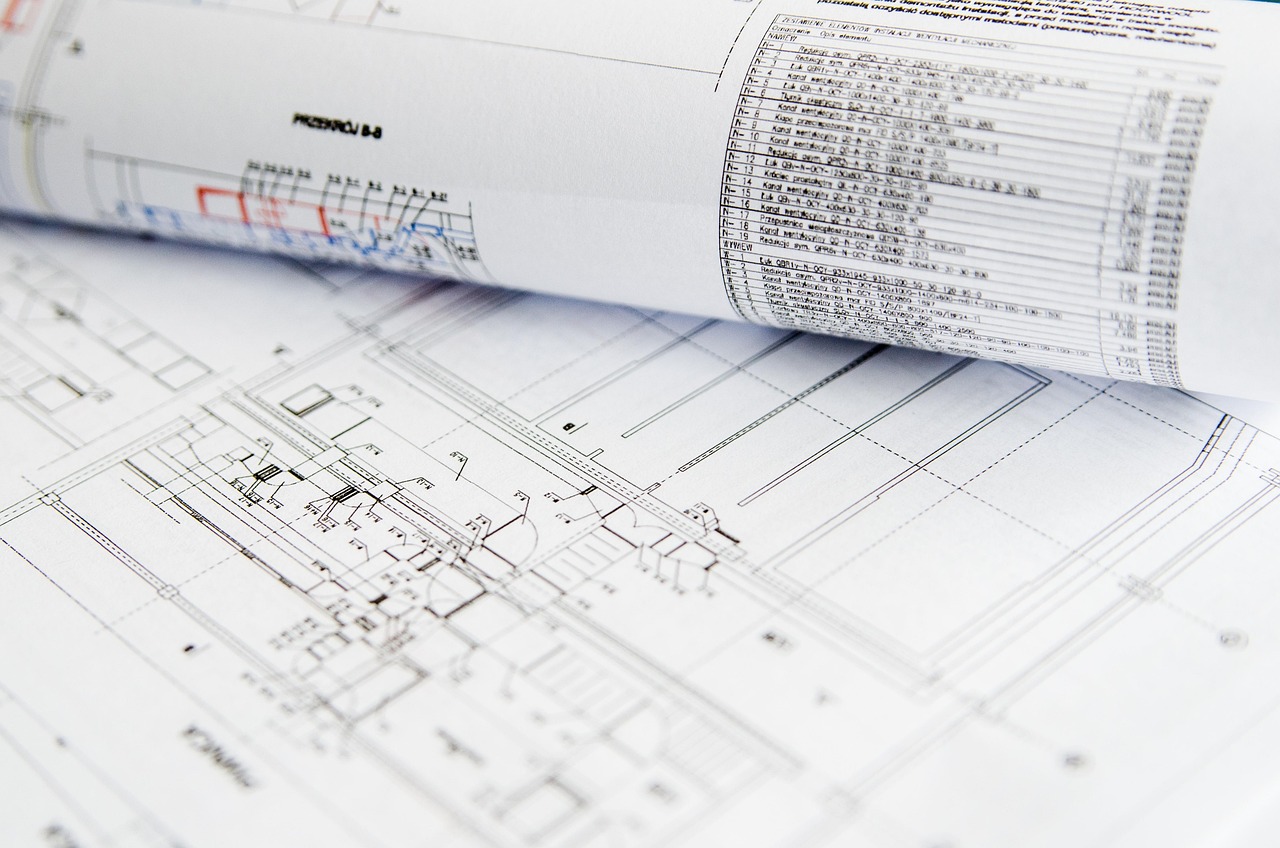
When examining the world of ADU construction, understanding the local scope and cost breakdown is crucial for maximizing your investment. In our vibrant community, ADU projects vary greatly based on factors like property size, existing structures, and desired finishes.
Planning ADU construction involves a meticulous process that begins with reviewing townfield notes and understanding local building regulations. Homeowners should seek professional ADU design and build services to ensure compliance and streamline the building process. Experienced ADU building teams, with a keen eye for detail and local knowledge, can understand permits and regulations. Many local contractors offer comprehensive packages, including design, permitting, and construction, which can save homeowners valuable time and stress.
Budgeting for an ADU requires careful consideration. The cost breakdown can vary significantly depending on the scope of the project, material choices, and layout design. A simple ADU addition might range from $50,000 to $100,000, while a more elaborate unit with custom finishes could top $200,000. Homeowners should factor in the potential increase in property value and the long-term benefits of an ADU, such as providing rental income or housing for family members. With the right planning and professional guidance, an ADU can be a lucrative investment that enhances both property value and community living.
Local ADU Regulations: Ensuring Compliance for Property Owners

Local ADU regulations are designed to ensure that every property owner in our community understands the construction scope and proposals for Additional Dwelling Units (ADUs). These regulations, while essential for maintaining the integrity of our neighborhoods, can be complex. At the heart of any successful ADU project is compliance with local laws and a clear understanding of the planning process.
Our city has seen a surge in interest in affordable ADU construction near me, driven by a desire for more living spaces and green building practices. Many homeowners are turning to ADUs as a way to increase their property value while contributing to a more sustainable community. However, navigating the planning adu building services and permits can be daunting. It's crucial to consult with local experts who understand the nuances of our specific regulations. The design of an ADU must align with the existing architectural style of the main residence to preserve the neighborhood's character.
One key aspect of ADU construction is ensuring that the project fits within the established budget. Many property owners underestimate the cost breakdown involved, leading to unexpected challenges later in the process. Local contractors offer valuable insights into cost-saving measures, material choices, and layout design that can help make an ADU more feasible. Incorporating energy-efficient features not only reduces long-term utility costs but also aligns with our city's commitment to environmental sustainability.
The legal and insurance considerations cannot be overlooked. Planning is a critical step, as homeowners must verify that their property rights allow for ADU construction. Once the green light is given, property owners should ensure their contractor is properly licensed and insured. This step is crucial for managing risks and ensuring the project's longevity. Understanding the home insurance implications of an ADU, including potential coverage for renters, is essential for peace of mind. Our community benefits when ADU projects are executed correctly, leading to increased accessibility, inclusive spaces, and a stronger local economy.
Building Community: Benefits of ADU Integration

In our community, the integration of Accessory Dwelling Units (ADUs) is not just a trend, but a powerful tool for enhancing our living spaces and strengthening our neighborhood fabric. When well-planned and executed, ADUs can increase housing options, foster community connections, and contribute to the local economy. This guide focuses on the heart of successful ADU integration: understanding permits, regulations, and the expert guidance available from trusted local sources.
Navigating the world of ADU construction can seem daunting, but with the right support, it becomes a catalyst for community growth. Our region has seen a surge in demand for affordable, adaptable living spaces, and local, trusted ADU experts are at the forefront of meeting this need. These professionals aren't just builders; they're community advocates, translating complex regulations into clear proposals that align with individual homeowner visions. When comparing ADU proposals, consider the local market data: according to recent studies, the average ADU construction project in our area takes one to two days, with costs varying based on size and material choices. This transparency empowers homeowners to make informed decisions, ensuring their project fits both their budget and community goals.
Local experts, like those found in trusted ADU construction companies near you, offer invaluable insights into the design and construction process. They guide homeowners through the legal considerations, from planning and building regulations to property rights and necessary permits. By engaging with these professionals, residents can avoid common pitfalls, ensure their ADU complies with local codes, and even enhance the resale value of their property. These experts can provide design ideas that optimize space, cater to accessibility needs, and create inclusive, functional layouts. Historical or heritage properties can benefit from expert advice on preserving their unique character while integrating an ADU.
For insurance, local ADU experts can help navigate coverage for these additional living spaces. Home insurance policies may require specific considerations for ADUs, and our community's growing ADU landscape means these needs are becoming more widely recognized. By working with a trusted local expert, homeowners can be assured their investment is protected, contributing to a thriving and resilient community where adaptable living spaces thrive alongside strong, connected neighbors.
ADU Permits 101: A Beginner's Journey to Local Approval

In many communities, Accessory Dwelling Units (ADUs) are transforming backyards and basements into valuable living spaces, offering a solution to the housing crisis. However, navigating the world of ADU permits and regulations can be daunting for homeowners considering this project. This guide is your starting point for understanding the local approval process, with a focus on the essential first steps: ADU permits 101.
Securing local approval for your ADU begins with a thorough understanding of your community's specific requirements. The process varies widely depending on your city's or town's regulations, so checking with your local building department is crucial. In many areas, an initial review of your property and proposed ADU design can be done virtually, saving time and money. Once your project is approved, top-quality ADU construction services become your next step, ensuring your investment is both well-crafted and compliant. Our local market has seen a surge in demand for affordable ADU construction, with many homeowners choosing to transform underutilized spaces into rental units or private living areas.
The planning phase is critical, as it sets the stage for a smooth construction process. Engage with contractors who specialize in ADU construction scope and proposals, leveraging their expertise to ensure your project meets all local codes. They can guide you through the material choices, layout design, and space optimization that will not only meet your needs but also maximize the resale value of your property. They can help navigate the financial aspects, including a detailed cost breakdown and how to manage your budget effectively. Many contractors offer cost-saving measures and project timeline optimization, ensuring your ADU is built to your specifications and within your budget.
Remember, local regulations are in place to ensure safety, accessibility, and property rights. By following the correct procedures, you not only protect your investment but also contribute positively to your community's growth. Whether you're considering a historical property or a modern design, the right contractor can help you through the legal and insurance aspects, providing peace of mind throughout the process.
From Concept to Completion: ADU Proposal Process

In any vibrant community, the addition of an Accessory Dwelling Unit (ADU) can bring much-needed housing, revitalize neighborhoods, and enhance local diversity. However, navigating the ADU proposal process, from concept to completion, requires a deep understanding of local regulations and a well-planned construction scope and proposals. Our local experts break down the essential steps, ensuring your ADU project aligns with townfield notes and building regulations.
The first step in any ADU project is to analyze your proposal against the specific requirements of your municipality. Every town has its own set of rules regarding ADU construction, including permitted uses, size restrictions, and set-back requirements. Engaging with certified ADU specialists or experienced local building teams early in the process is crucial. They can guide you through the planning phase, ensuring your design meets all necessary codes and standards. Some communities may have specific historical property considerations or accessibility design requirements. Our local market data shows that understanding these nuances from the start can save significant time and money in the long run.
Once your proposal is finalized, the contractor selection process becomes paramount. The reputation and qualifications of your chosen contractor can greatly impact the project's success. Look for teams with a proven track record and expertise in ADU construction. They should be able to provide detailed cost breakdowns, outlining labor, materials, and any specialized equipment needed. Many local contractors offer transparent pricing models, allowing you to budget effectively. A recent survey among local homeowners revealed that clear communication and detailed cost estimates are among the top factors influencing their satisfaction with ADU projects.
Throughout the construction process, maintaining open lines of communication with your contractor is vital. Regular project updates, especially regarding timeline and budget, can help manage expectations. Local experts suggest involving all stakeholders, including homeowners and renters (if applicable), in key decision-making stages. This collaborative approach ensures everyone is on the same page, minimizing potential conflicts. Remember, the ADU construction scope and proposals are dynamic, and flexibility is key. By engaging with experienced local teams and staying informed about planning considerations, your ADU project can turn into a successful and beneficial addition to your community.
Empowering Neighbors: Local ADU Success Stories

In our vibrant community, the rise of Accessory Dwelling Units (ADUs) has not only added to the diverse housing landscape but has also fostered a sense of neighborly collaboration and sustainability. Empowering Neighbors: Local ADU Success Stories highlights how residents are embracing the potential of ADU construction scope and proposals to create more livable spaces while contributing to a greener future.
Many first-time homeowners in our area have discovered the benefits of certified ADU specialists in navigating the complex process. These experts guide residents through the local building regulations, ensuring every project complies with the townfield notes and historical property considerations. A recent case in the heart of the community transformed a neglected backyard into a cozy, fully functional ADU, expanding a family's living space without compromising on design or comfort. The project involved careful space optimization and incorporated green building ADU tips, making it a model for sustainable living.
The local market data paints an encouraging picture: ADU construction has become increasingly popular, with most installations taking one to two days, minimizing disruption to neighbors. This efficiency, combined with the expertise of certified specialists, has led to a surge in ADU-related projects, from basic renovations to complex designs. Local contractors report a growing demand for ADU services, emphasizing the need for timely and cost-effective solutions. Homeowners are benefiting from improved living arrangements, enhanced property values, and a stronger sense of community.
Community engagement is a cornerstone of successful ADU initiatives. Local ADU proposals often include public consultations, where residents can provide valuable input on design and construction plans. This collaborative approach ensures that new ADUs align with the neighborhood's character and address accessibility and inclusive space considerations. As the trend continues to gain momentum, certified ADU specialists and local builders are poised to offer expert advice, helping neighbors turn their ADU dreams into reality while contributing to a thriving, sustainable community.
Transforming Urban Sprawl: A Community's Success with ADU Permits in the Heart of [City/Town]
Local Challenge
The densely populated [City/Town] faced a growing housing crisis. Rapid urbanization had led to a shortage of affordable housing, pushing up rent and forcing young professionals and families out of the community. The existing housing stock was outdated, and the city's inflexible zoning laws made adding new housing, especially accessible and affordable units, nearly impossible. This created a sense of unease and a desire for change among residents.
Local Solution
Recognizing the need for innovative solutions, local government partnered with community advocates and developers to pilot a program encouraging the conversion of underutilized properties, including vacant lots and existing structures, into Accessory Dwelling Units (ADUs). The program streamlined the permit process, offering simplified applications, reduced fees, and clear guidelines for construction, making it easier for property owners to add ADUs to their properties. Workshops and informational sessions were held to educate residents on ADU benefits, design possibilities, and construction best practices.
Community Impact
The ADU program was a resounding success, sparking a construction boom of 120 new ADUs within the first year. The program also fostered a sense of community pride, with vibrant new developments integrating seamlessly into existing neighborhoods. The success of the pilot program led to the permanent adoption of ADU regulations, paving the way for continued affordable housing growth and a more sustainable future for [City/Town].
Quick Reference
-
Engage with Local Authorities: Regularly attend council meetings to understand permit processes and advocate for ADU-friendly policies.
-
Network with Contractors: Build relationships with local builders and designers to streamline ADU design and installation.
-
Offer Community Workshops: Host educational sessions on ADU benefits, regulations, and DIY installation tips for homeowners.
-
Collaborate with Real Estate Agents: Partner to promote ADU's as a valuable local housing solution, attracting buyers and renters.
-
Utilize Online Permitting Platforms: Explore digital tools for permit applications, improving efficiency and reducing community paperwork burden.
-
Share Success Stories: Highlight local ADU projects to inspire homeowners and demonstrate the community's support for these additions.
-
Advocate for Incentives: Work with local government to secure tax breaks or grants for ADU installations, encouraging sustainable housing.
-
Conduct Energy Audits: Offer free audits to identify homes suitable for ADU retrofits, emphasizing energy efficiency and cost savings.
Local Business FAQ About A Beginner's Guide to ADU Permits and Regulations
What are the local permits required for installing an ADU (Accessory Dwelling Unit)? The specific permits needed vary by location, but typically include a building permit and a zoning permit. It's crucial to check with your local building department to understand the exact requirements. This ensures your ADU complies with safety standards and local regulations, enhancing your community's overall housing stability.
How do I ensure my ADU project stays within code? Engage a licensed contractor familiar with local ADU codes. They'll guide you through the process, ensuring your design meets structural, electrical, and plumbing codes. Staying within code not only prevents legal issues but also contributes to your neighborhood's property values by maintaining safety and consistency.
What are some common challenges in obtaining ADU permits? The process can be time-consuming, involving multiple inspections and approvals. Delays may occur due to design changes or weather. A well-prepared application, clear communication with inspectors, and a contractor who understands local regulations can help streamline the process.
How can I choose a reliable contractor for my ADU project? Ask for referrals from friends or neighbors who have completed similar projects. Check online reviews and verify the contractor's license and insurance. A reputable contractor ensures your project is built to code, enhancing your property's value and contributing to the local construction economy.
What tax benefits are available for installing an ADU? Local incentives may include property tax reductions or rebates for energy-efficient features. These benefits vary by region, so consult your local tax assessor or a financial advisor to maximize your savings. Encouraging ADU projects can also lead to more affordable housing options in your community.
How do I ensure my ADU is energy-efficient? Focus on insulation, energy-efficient appliances, and lighting. Proper insulation reduces heating and cooling costs. Consider solar panels for electricity generation, enhancing the unit's energy independence and contributing to a greener, more sustainable community.
As your trusted local guide to ADU construction scope and proposals, we've explored the transformative potential of Accessory Dwelling Units (ADUs) for our community. From achieving untapped property potential to navigating local regulations, we've covered the entire journey from concept to completion.
Our research and local success stories highlight several key strategies for community benefits and sustainable growth. By adhering to best practices in ADU construction, ensuring compliance with regulations, and fostering inclusive design, we can maximize the positive impact on our neighborhood.
Community-approved ADU construction prioritizes local needs and aesthetics. It's not just about adding space; it's about enhancing the overall quality of life for residents. By empowering neighbors with knowledge and supporting local contractors who understand our unique context, we can achieve a vibrant, integrated community.
As we move forward, let's embrace the benefits of ADU integration-increased housing affordability, more vibrant neighborhoods, and sustainable growth. By understanding and leveraging local ADU regulations, property owners can confidently embark on projects that enrich our shared space. Together, we can create a thriving, accessible community for generations to come.
Achieving Your Community's ADU Potential
- Plan Thoroughly: Understand local building regulations and townfield notes for zoning laws and permitted uses. Draft detailed ADU proposals outlining design, construction, and budget.
- Choose Qualified Contractors: Engage local ADU construction specialists for guidance, budget planning, and compliance with heritage properties or historically significant neighborhoods.
- Navigate Permitting: The local ADU permit process involves a detailed review of your proposal, including construction scope, materials, and infrastructure. Transparency ensures informed decisions.
- Embrace Community Insights: Local regulations guide building materials, insulation options, and design. Contractors familiar with these nuances streamline the process and enhance property value.
- Explore Green Building: Many communities offer incentives for energy-efficient ADUs, promoting cost savings and sustainability.
- Engage with Experts: Local ADU experts provide legal guidance, design ideas, and insurance support, ensuring your investment meets community goals and enhances property value.